How 1 Millisecond Broke Our Rewards System
How 1 Millisecond Broke Our Rewards System
A real-world lesson in database concurrency, optimistic locking, and lost updates.
The Bug That Shouldn’t Exist
In a recent system update, something strange happened.
A user completed their profile flow and ended up with -50 reward points instead of 0 or +50.
At first, this didn’t make sense. The business logic was simple:
- Delete profile step → -50 points
- Re-upload ID → +50 points
So the final state should always cancel out.
But under load and fast user actions, the system broke.
The culprit: a 1 millisecond race condition.
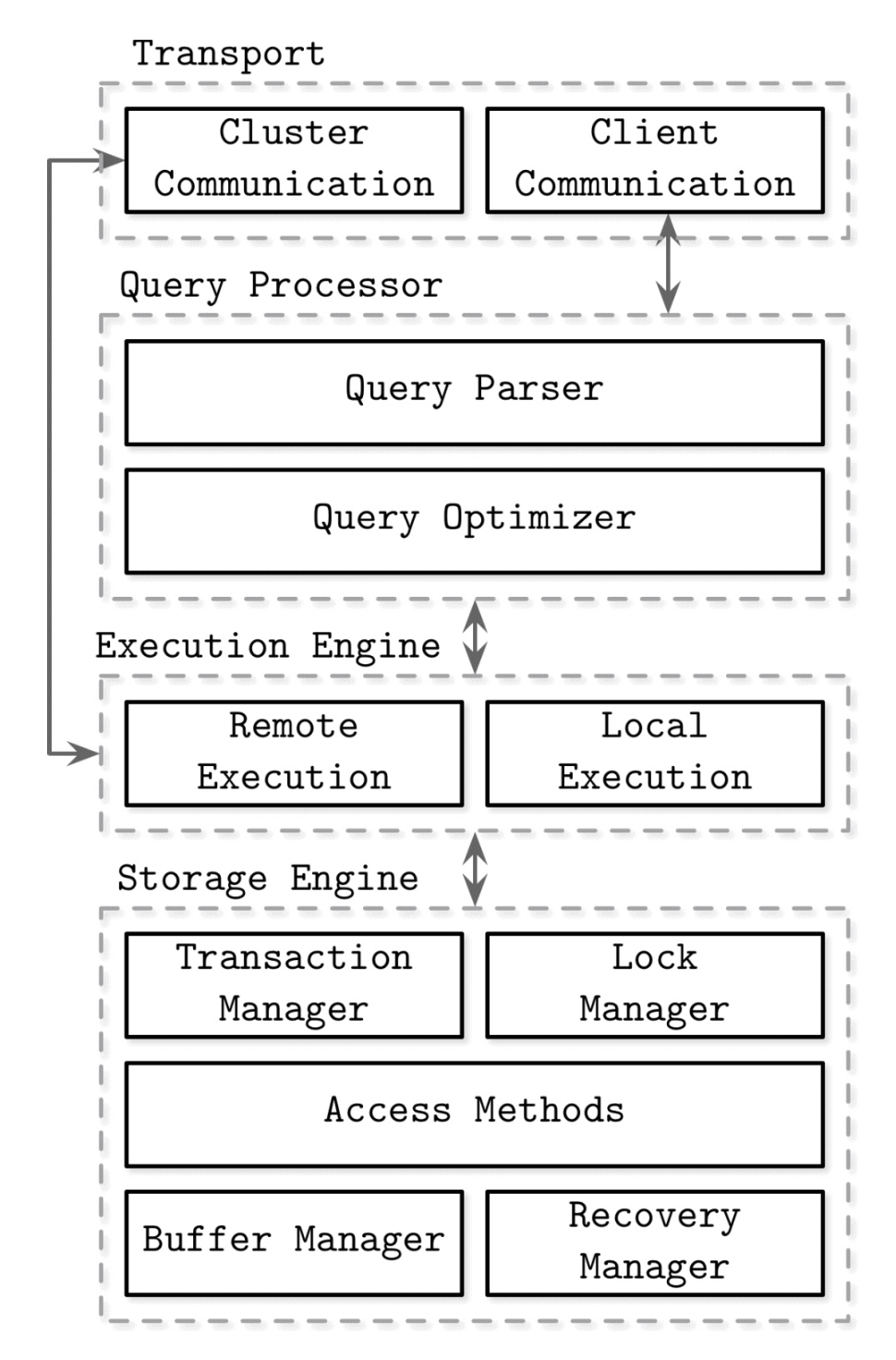
The Heart of the Problem: The Storage Engine
To understand this, we need to look at the database internals.
Inside every DBMS lies the storage engine, with two key components:
Transaction Manager
The coordinator.
Ensures all operations respect ACID properties and consistency rules.
Lock Manager
The guard.
Controls access to shared data so concurrent transactions don’t corrupt state.
Latches vs Locks
Databases use two different synchronization mechanisms:
Latches
- Very fast and short-lived
- Protect physical memory structures (pages, buffers)
- Used internally by the DB engine
Locks
- Slower but logical
- Protect data correctness at transaction level
- Ensure consistency across queries and transactions
Think of it like:
- Latches → internal engine safety
- Locks → business data safety
Why We Use Optimistic Concurrency Control
Our system uses Optimistic Concurrency Control (OCC).
The idea:
Assume conflicts are rare, and validate only before committing.
It works in three phases:
1. Read Phase
The transaction reads data and performs operations locally.
2. Validation Phase
Before committing, the DB checks:
“Has this data changed since I read it?”
3. Write Phase
If validation succeeds, changes are saved.
If not, the transaction is rejected.
The 1ms Bug: A Lost Update
Here’s what actually happened.
Two operations were triggered almost simultaneously:
- Transaction A: Delete → -50 points
- Transaction B: Re-upload → +50 points
Both started within ~1 millisecond.
Timeline
- Transaction A commits first → user becomes -50
- Transaction B reaches validation phase
- DB detects data was modified
- Transaction B is rejected (optimistic lock failure)
Final state
- -50 applied
- +50 rejected
➡️ User ends up at -50 points
This is a classic lost update under optimistic concurrency control.
Why This Happens in Real Systems
This isn’t a database bug.
It’s a trade-off.
Optimistic concurrency assumes:
- Conflicts are rare
- Retrying is cheaper than locking everything
But under extreme timing (like 1ms bursts), assumptions break.
What We Learned
- Concurrency bugs are timing bugs
- Optimistic locking requires retry logic
- Rejected transactions must be handled properly
- Race conditions only show up under real load
Reference
Based on concepts from:
- Database Internals — Alex Petrov
Especially:
- Concurrency Control
- Transaction Management
- Locking vs Optimistic strategies
Closing Thought
A 1ms difference didn’t break the logic.
It broke the assumption that nothing else would happen at the same time.
And in distributed systems, that assumption is always the first thing to fail.
Thanks for reading! Feel free to reach out if you have any questions.